The concept of the Metaverse has evolved from a science fiction fantasy to a rapidly developing reality that promises to reshape our world. What was once the realm of tech enthusiasts, gamers, and futurists is now an emerging force that is poised to transform how we interact socially, conduct business, and experience entertainment. In 2025, the Metaverse is no longer a distant vision but an imminent phenomenon that’s capturing the imagination of millions.
So, what exactly is the Metaverse, and why is it becoming such an important part of our lives?

What Is the Metaverse?
At its core, the Metaverse is a collective, virtual shared space that combines elements of both virtual reality (VR) and augmented reality (AR), interconnected via the internet. It’s an expansive, immersive universe where people can engage in a variety of activities like socializing, working, shopping, and attending events, all from within digital spaces. In essence, the Metaverse is a fully-realized digital universe where the boundaries between the physical and virtual worlds become increasingly blurred.
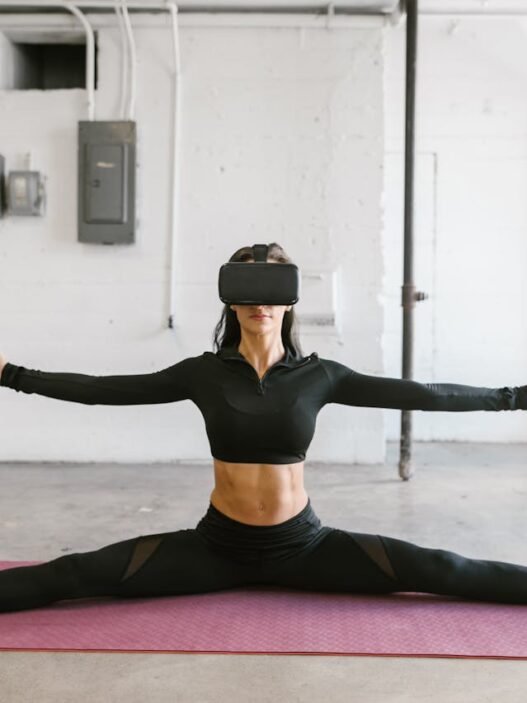
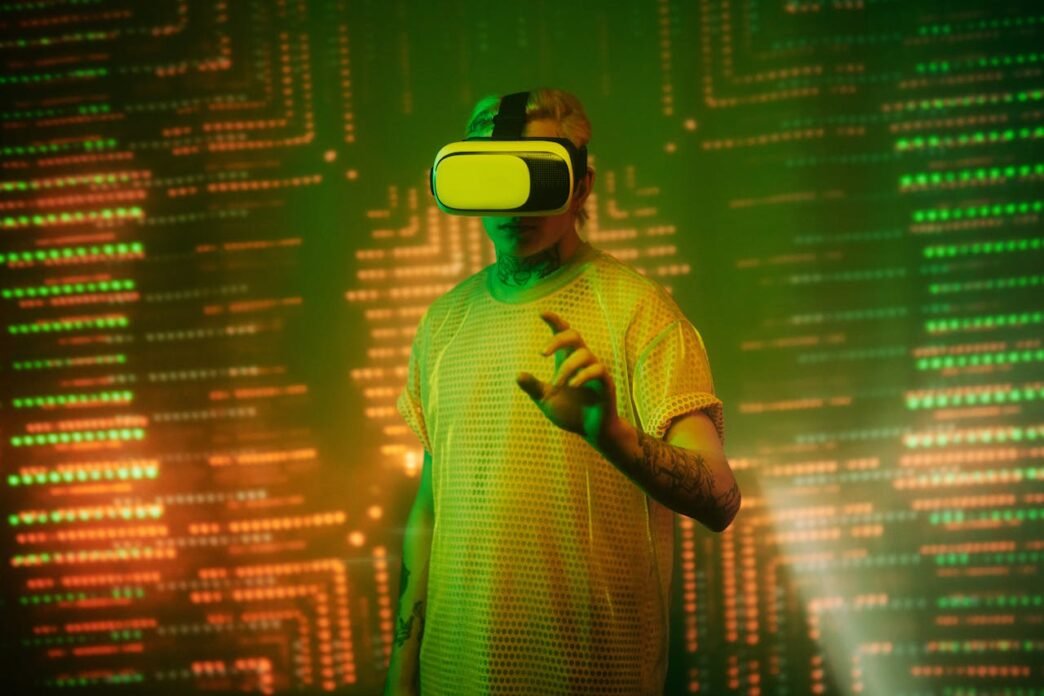
The Metaverse is powered by technologies like VR headsets, AR glasses, and haptic feedback devices, enabling users to interact with a highly interactive, immersive digital environment. Companies like Meta (formerly Facebook), Microsoft, and Epic Games are investing heavily in this technology, hoping to create interconnected virtual worlds where users can live, work, and play.
Socializing in the Metaverse
Perhaps one of the most fascinating aspects of the Metaverse is the way it’s redefining how we socialize. In a post-pandemic world, where physical distance has made traditional socializing more difficult, the Metaverse provides an escape, offering people the ability to meet friends and strangers from across the globe in a shared, virtual space.
In the Metaverse, users can create custom avatars, represent themselves visually as they wish, and engage in real-time conversations, gaming, or even attending events like concerts, virtual festivals, and sporting events. It’s like stepping into a fully interactive, 3D social network. Instead of just texting or video chatting, you can share experiences with others in a completely new way, attending virtual social events and parties, interacting with friends, and even making new ones – all from the comfort of your own home.
The Metaverse and Work: A New Frontier for Remote Collaboration
The Metaverse is not just for socializing or entertainment; it is also revolutionizing the way we work. As more companies adopt hybrid or remote work models, the Metaverse provides an immersive, digital office environment where colleagues can collaborate as though they were physically in the same room. In these virtual offices, employees can meet, brainstorm, and present ideas with a sense of presence that traditional video conferencing simply can’t replicate.
Imagine participating in a virtual meeting where your colleagues appear as avatars in a 3D space, complete with visual presentations, brainstorming sessions, and interactive workspaces. With the Metaverse, work can feel more natural and engaging, bringing the human element back into digital collaboration.
Moreover, with the advent of virtual economies, it’s also possible to work within the Metaverse itself, creating virtual goods and services that can be sold within these virtual worlds. Entrepreneurs are already capitalizing on the virtual economy by building businesses inside the Metaverse, from virtual real estate development to fashion and product design.
The Role of the Metaverse in Entertainment and Gaming
Entertainment and gaming have been the early adopters of Metaverse technologies, with massive online multiplayer games and virtual worlds serving as testing grounds for these digital spaces. Games like Fortnite, Minecraft, and Roblox have pioneered Metaverse-style experiences, where players can interact in virtual environments, participate in live events, and even create their own virtual worlds.
The Metaverse takes this to a whole new level, offering an even more immersive experience with higher quality graphics, interactive environments, and deeper social connections. It’s not just about playing a game anymore; it’s about experiencing and interacting with others in a fully realized digital universe. Virtual concerts, film screenings, and even art galleries are just some examples of the growing Metaverse entertainment landscape.
Challenges and Opportunities: What’s Next for the Metaverse?
While the Metaverse is undeniably exciting, it’s not without its challenges. As with any new technology, there are concerns surrounding privacy, security, and regulation. How will data be managed in the Metaverse? How can we ensure that virtual spaces are safe from cyber attacks or harassment?
Moreover, there’s the issue of accessibility. While VR and AR technologies are becoming more affordable, they still remain inaccessible to some users, creating the potential for a digital divide. Will everyone be able to access the Metaverse, or will it remain the realm of the privileged few?
Despite these challenges, the opportunities presented by the Metaverse are immense. As companies, creators, and users continue to innovate, we can expect new ways of interacting, working, and experiencing the world that we couldn’t have imagined just a few years ago. The Metaverse represents an evolving platform that will grow and adapt with the needs and desires of its users.
Conclusion: The Metaverse is the Future of Human Interaction
The Metaverse represents the future of human interaction, where digital and physical realities coexist in a seamless, interactive space. It’s already starting to reshape how we socialize, work, and engage with entertainment, and its influence will only continue to grow in the coming years. As the technology advances and the barriers to entry lower, we may soon find ourselves spending as much time in the Metaverse as we do in the physical world. It’s an exciting time to witness the revolution of the Metaverse – a revolution that’s changing the very nature of how we live, work, and play.