
In 2025, our lives are more connected than ever. We work online, socialize through screens, and are constantly surrounded by notifications, news, and digital noise. While technology brings many conveniences, it also contributes to higher stress levels, mental fatigue, and burnout. The good news? New techniques and tools are emerging to help us manage stress more effectively — even in a hyper-digital world.
In this article, we explore the most effective and innovative ways to reduce stress in 2025, blending modern science with practical lifestyle changes.
1. Digital Mindfulness Tools
One of the most popular ways to manage stress today is through digital mindfulness apps and tools that guide you through short meditations, breathing exercises, and grounding techniques.
- Guided Breathing Exercises: Apps now use biofeedback from your smartwatch or phone to guide your breathing in real time, adjusting the rhythm based on your heart rate or stress level. These short, guided sessions (just 3–5 minutes) can instantly lower tension and improve focus.
- Mindful Notifications: Some apps now send gentle, positive prompts throughout the day reminding you to pause, stretch, or take a few deep breaths — helping you stay grounded without leaving your digital environment.
2. Stress-Tracking Wearables
Wearable technology has gone beyond just tracking steps. In 2025, many devices now measure heart rate variability (HRV), skin temperature, and other physiological indicators of stress. These wearables provide real-time alerts when stress levels spike, prompting users to take action before burnout hits.

Some wearables even offer haptic feedback — subtle vibrations that signal you to relax your shoulders or unclench your jaw, small moments of awareness that make a big difference.
3. Virtual Nature Therapy
Research continues to show that spending time in nature lowers cortisol (the stress hormone). But for many people living in urban environments, daily nature access isn’t always realistic.
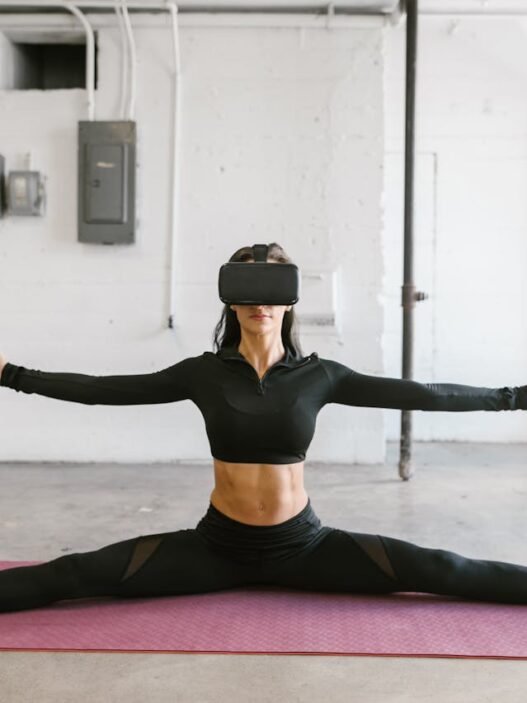
Enter virtual nature therapy — immersive experiences that simulate natural environments using virtual reality or augmented soundscapes. These sessions can transport you to a forest, beach, or mountain landscape, helping your mind and body relax without leaving your room.
Studies show that even just 10 minutes of a high-quality virtual nature experience can significantly reduce stress and mental fatigue.
4. AI-Powered Journaling
Writing down your thoughts is a classic stress-relief tool, and now in 2025, AI-powered journaling apps have taken it to the next level. These apps offer:
- Emotion recognition based on what you write
- Personalized prompts that guide reflection
- Mood tracking to help you understand patterns over time
The simple act of expressing what’s on your mind — even digitally — can help declutter your thoughts and create a sense of emotional clarity.
5. The Rise of “Digital Fasting”
Just as we detox our bodies, people are now beginning to “detox” from their devices. Digital fasting involves setting intentional time away from screens — especially social media — to allow your mind to rest.
Tech companies are starting to support this with features like:
- Scheduled screen-free times
- Daily app time limits
- Focus modes that block distractions
People who practice digital fasting report better sleep, improved focus, and reduced anxiety — even after just a few days.
6. Body-Based Stress Release Techniques
With all the attention on mental tools, physical techniques for stress release are making a strong comeback. In 2025, more people are turning to:
- Somatic exercises like shaking, stretching, or tapping
- Short movement breaks every hour while working
- Progressive muscle relaxation guided by apps or wearables
These practices help release tension stored in the body — a key piece often missed in purely mental approaches to stress relief.

Final Thoughts
Managing stress in the digital age isn’t about escaping technology — it’s about using it more mindfully. With the right tools and techniques, we can balance our digital lives with inner calm and mental clarity. From AI-powered mindfulness apps to body-based practices and digital detox strategies, 2025 offers more options than ever to take control of stress and support long-term well-being.
Finding what works for you is the key. Whether it’s a breathing app, a walk in virtual nature, or simply unplugging for an hour a day — your mind and body will thank you.