
In the near future, it might not be surprising to control your computer, phone, or even an entire smart home with nothing more than the power of your thoughts. Welcome to the world of Brain-Computer Interfaces (BCIs), an innovative technology that is making the seemingly impossible a reality. By creating direct communication pathways between the brain and external devices, BCIs offer a window into a future where human cognitive functions can seamlessly interact with technology. But what exactly are BCIs, and what does their rise mean for the future of human-technology interaction?
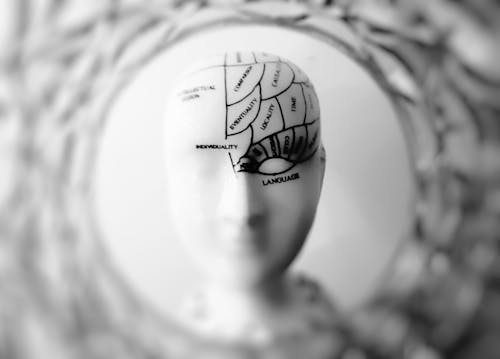
What is a Brain-Computer Interface (BCI)?
At its core, a Brain-Computer Interface (BCI) is a system that facilitates a direct link between a person’s brain and an external device. It works by translating brain signals into commands that machines can understand, enabling humans to control devices through thought alone. BCIs operate by detecting electrical activity in the brain, which is then analyzed and translated into actionable commands, typically through electrodes placed on the scalp (non-invasive BCIs) or implanted directly in the brain (invasive BCIs).

How Do BCIs Work?
The fundamental goal of BCIs is to enable a “mind-machine” connection. To achieve this, a BCI typically involves three primary steps: signal acquisition, signal processing, and output generation.
- Signal Acquisition: This step involves detecting electrical signals produced by the brain. Using EEG (electroencephalography) sensors, signals are captured from the brain’s surface or deep within its structure.
- Signal Processing: Once the signals are collected, they need to be processed and translated into meaningful commands. Machine learning algorithms are used to interpret the brain’s electrical activity and make sense of what the user is trying to communicate.
- Output Generation: After processing, the BCI converts these signals into actions, like moving a cursor on a screen, controlling a robotic arm, or even communicating via speech synthesis.
While early BCIs were rudimentary, advancements in both neuroscience and artificial intelligence (AI) have allowed for much more sophisticated applications. Today, BCIs are being explored for medical purposes, assistive technologies, and even for gaming and entertainment.
Medical Uses: Changing the Lives of Disabled Individuals
One of the most exciting applications of BCIs is in the field of medicine. For individuals with severe disabilities, such as paralysis or those who are unable to speak, BCIs are revolutionizing their ability to interact with the world. For example, BCIs have been used to help individuals control robotic limbs, type on a screen, and even communicate in real-time, all through the power of their minds.
Recent breakthroughs have enabled individuals with spinal cord injuries to use BCIs to control prosthetic limbs or move a wheelchair. In some cases, patients can even control an exoskeleton to walk again, making BCIs a potential game-changer in the field of rehabilitation. This provides hope for people who were previously told they might never regain certain physical abilities.
BCIs in Gaming and Virtual Reality
Beyond the medical field, BCIs are also making waves in the world of gaming and virtual reality (VR). As VR and AR (augmented reality) continue to gain popularity, BCIs provide a more immersive experience, allowing players to control games with just their thoughts. Instead of relying on traditional controllers or gestures, players can simply focus their attention on specific elements in the game to perform actions, creating a level of immersion that was previously unattainable.
This level of control also allows for greater accessibility. People with limited physical mobility may be able to enjoy gaming experiences that were once out of reach, opening the door to a new world of entertainment for those with disabilities.

Ethical Concerns: Navigating the Future of BCI Technology
As promising as BCIs are, they come with a set of ethical challenges that need to be carefully considered. One of the biggest concerns is the potential violation of privacy. With BCIs capable of reading our brain activity, there’s the possibility of unauthorized access to our thoughts, memories, and emotions.
Additionally, the issue of security is paramount. If a hacker could control a BCI, they could potentially access or manipulate the user’s thoughts or actions, leading to disastrous consequences. As with any technology that involves intimate personal data, maintaining security protocols will be essential to ensuring that BCIs are used safely and responsibly.
The Future of BCIs: A World of Possibilities
Looking ahead, the future of Brain-Computer Interfaces is incredibly exciting. Researchers and companies around the world are working hard to develop non-invasive BCIs that can be used on a mass scale. Imagine a world where you can control your home’s thermostat, open your front door, or send a message to a friend, all with the power of your mind.
Furthermore, BCIs could fundamentally change how we experience reality. The potential for full-sensory immersion in virtual environments could lead to new advancements in entertainment, education, and communication. With rapid technological progress, we may soon see a world where BCI devices are as common as smartphones, offering limitless possibilities for how we interact with the digital world.
Conclusion: The Mind-Technology Connection
In conclusion, Brain-Computer Interfaces represent the next frontier in human-technology interaction. Whether it’s revolutionizing medical treatments, transforming gaming experiences, or providing new ways to communicate, BCIs have the potential to profoundly impact society. While challenges like security and privacy remain, the potential benefits are immense. As we continue to push the boundaries of what is possible, the connection between our minds and machines will undoubtedly become a fundamental part of our everyday lives. The future of BCIs is not only about controlling technology – it’s about transforming the human experience itself.