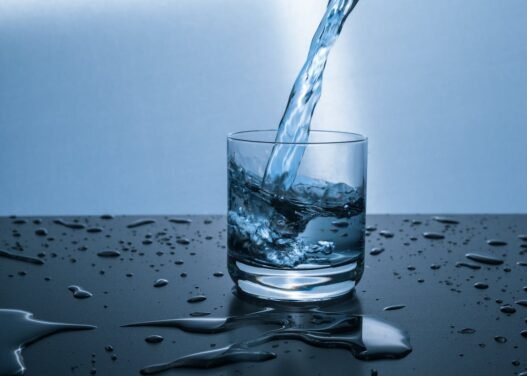
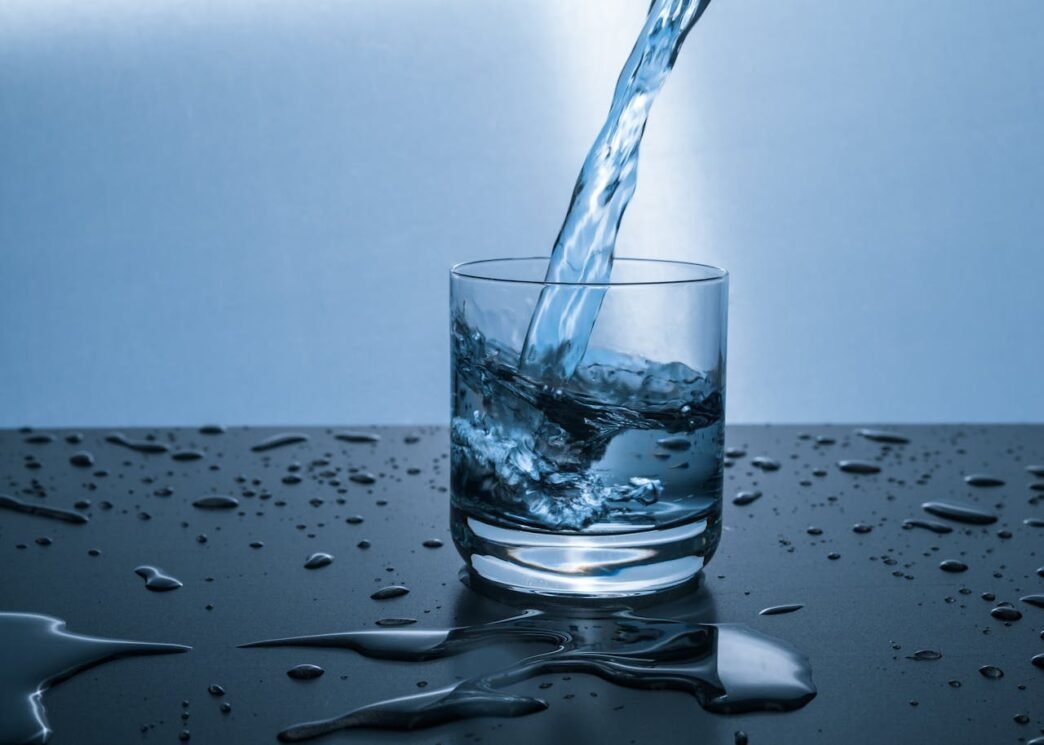
Water is the essence of life. We’ve all heard it countless times, but how many of us truly understand the powerful role water plays in maintaining our health? From the moment we wake up in the morning to the end of our day, staying hydrated is crucial for optimal bodily functions. In this article, we’ll dive into the incredible benefits of water, how it impacts your health, and why ensuring adequate hydration is essential for both physical and mental well-being.
Why Water is Vital for Your Health
Our bodies are made up of about 60% water, and water is involved in almost every bodily function. From regulating temperature to aiding digestion, maintaining hydration is critical for performance in daily tasks. Here’s why water is so important:
- Regulates Body Temperature
Water plays a crucial role in maintaining body temperature. Sweat and respiration help cool the body, and this process requires adequate hydration to be effective. Without enough water, your body cannot regulate its temperature properly, which can lead to overheating and dehydration. - Supports Digestion and Nutrient Absorption
Water helps break down food in the stomach and intestines, making it easier for your body to absorb nutrients. It also softens stool and supports healthy bowel movements, reducing the risk of constipation. - Detoxification
Your kidneys rely on water to flush out toxins and waste products from your body. When you are properly hydrated, your kidneys work more efficiently, reducing the strain on your organs and preventing kidney stones. - Supports Joint Health
Proper hydration is essential for lubricating your joints. Water helps maintain the synovial fluid in your joints, reducing friction and the risk of joint pain, inflammation, and arthritis.

How Much Water Should You Be Drinking?
While it’s common advice to drink eight 8-ounce glasses of water a day (known as the “8×8 rule”), the amount of water each person needs can vary depending on several factors. These factors include your age, activity level, climate, and overall health.
For example:
- Active Individuals: People who engage in exercise or physically demanding activities may need more water to replenish fluids lost through sweat.
- Pregnant or Breastfeeding Women: Women in these situations typically need more water to stay hydrated, as their bodies require additional fluids for both themselves and their babies.
- Climate Considerations: In hotter climates, your body loses more water through sweat, so you may need to drink more water to stay hydrated.
It’s essential to listen to your body’s signals. If you’re thirsty, it’s a clear sign you need more water. Additionally, monitoring the color of your urine can be a good indicator of hydration levels — pale yellow urine typically signifies proper hydration, while dark yellow or amber urine suggests dehydration.
The Mental and Physical Benefits of Drinking Water
Drinking water is not only beneficial for your physical health but also has a profound impact on your mental well-being. Let’s explore how staying hydrated can help both your body and mind:
- Boosts Energy and Focus
Dehydration can cause fatigue, decreased concentration, and brain fog. When you’re properly hydrated, your body’s systems operate more efficiently, boosting energy levels, focus, and cognitive function. - Improves Mood
Studies have shown that dehydration can negatively impact mood and lead to irritability, anxiety, and even depression. By staying hydrated, you can maintain a more stable and positive mood throughout the day. - Helps with Weight Management
Drinking water before meals can help you feel fuller, potentially preventing overeating. Moreover, sometimes the body confuses thirst with hunger, so staying hydrated may also help reduce unnecessary snacking and cravings.
Signs You May Be Dehydrated
Many of us often ignore the subtle signs of dehydration until they become more severe. Here are some early warning signs that your body may be dehydrated:
- Dry mouth or throat
- Fatigue or sluggishness
- Dark yellow urine
- Headaches
- Dizziness or lightheadedness
- Dry skin
- Reduced urine output
If you notice any of these symptoms, it’s important to start hydrating immediately. Severe dehydration can lead to more serious health issues, so it’s always best to address dehydration early on.
Tips for Staying Hydrated
Staying hydrated throughout the day can be challenging, but there are simple strategies you can use to make it easier:
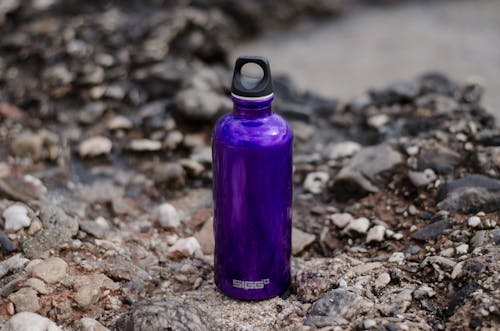
- Carry a Water Bottle
Keep a water bottle with you at all times, so you can easily take sips throughout the day. This helps remind you to drink more frequently. - Set Hydration Reminders
Use your phone or an app to remind you to drink water every hour. Regular hydration intervals help keep your body at optimal hydration levels. - Eat Water-Rich Foods
Include foods with high water content in your diet. Fruits like watermelon, cucumbers, oranges, and strawberries, as well as vegetables like lettuce and celery, can help supplement your water intake. - Infuse Your Water
If plain water feels boring, try infusing it with fruits, herbs, or spices like lemon, mint, cucumber, or berries. This adds flavor without added sugar and can make drinking water more enjoyable.