In today’s fast-paced world, quality sleep has become a luxury for many. Stress, busy work schedules, and constant exposure to screens make it increasingly difficult for people to wind down at night. One often overlooked factor that can play a huge role in sleep quality is light. The right kind of lighting at the right time of day can improve sleep patterns, help regulate your body’s internal clock, and even boost your overall health. Let’s dive into how you can harness the power of light to improve your sleep and health, and discover products that can help.
Why Light Matters for Your Sleep
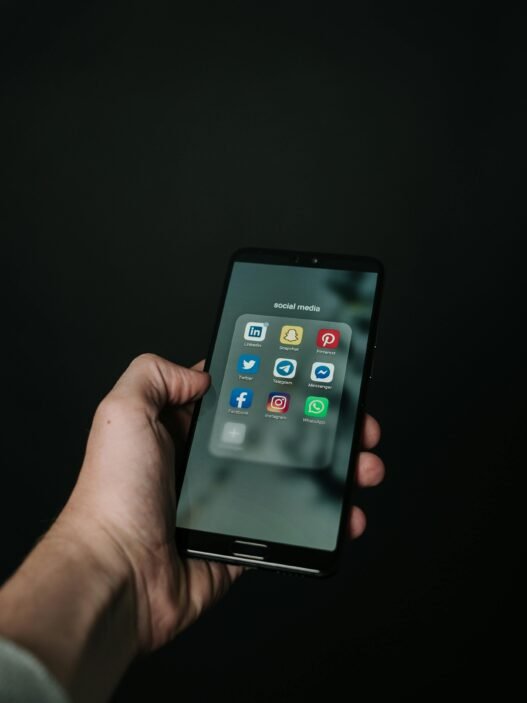
Our bodies are naturally programmed to wake up and sleep according to the light-dark cycle. This cycle, known as the circadian rhythm, helps regulate our sleep-wake patterns. However, modern life has disrupted this natural process. Blue light emitted by screens, overhead lights, and artificial lighting can trick our brains into thinking it’s still daytime, delaying our natural sleep cycle.
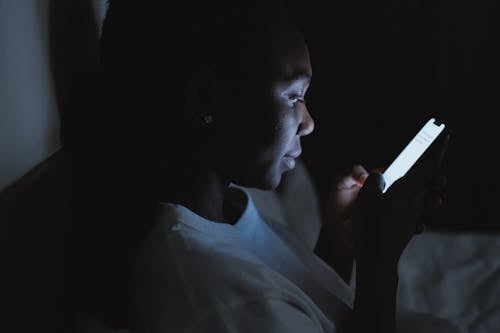
Research has shown that exposure to the wrong kind of light, especially before bed, can reduce the production of melatonin, the hormone responsible for inducing sleep. This can make falling asleep more difficult, lower the quality of sleep, and even impact your overall health.
How to Use Light to Improve Your Sleep
The key to improving your sleep quality lies in managing your exposure to light throughout the day. Here are some simple steps you can take to optimize your lighting for better rest:
- Increase Daylight Exposure During the Day
- Start your day by exposing yourself to natural sunlight. Sunlight in the morning helps reset your circadian rhythm and encourages the production of serotonin, the hormone that promotes wakefulness. This sets the stage for a more restful night of sleep.
- Reduce Blue Light Exposure in the Evening
- As the day winds down, avoid blue light emitted by smartphones, computers, and TVs. Blue light disrupts your melatonin levels, so it’s best to limit screen time at least an hour before bed. Instead, consider using apps that reduce blue light on your devices or wear blue-light-blocking glasses.
- Create a Relaxing Environment with Soft Lighting Before Bed
- Switch to warm, dim lighting in the evening. Light bulbs with a warm yellow or red hue are less likely to interfere with melatonin production. Opt for ambient lighting such as floor lamps, dimmer switches, or smart lighting that can be adjusted to lower brightness as you prepare to sleep.
- Use Specialized Sleep Light Devices
- Consider investing in products designed specifically to improve sleep. For instance, light therapy lamps can help with Seasonal Affective Disorder (SAD) by simulating sunlight, while smart lights can be programmed to gradually dim as bedtime approaches.

Products That Can Help You Improve Your Sleep with Light
To take your sleep hygiene to the next level, consider incorporating the following products into your nighttime routine:
1. Blue Light Blocking Glasses
- If you spend a lot of time in front of screens, blue light-blocking glasses can be a game changer. These glasses help reduce the amount of blue light that reaches your eyes, allowing your brain to produce melatonin and promoting a more restful night of sleep.
- Recommended Product: Blue Light Blocking Glasses – A pair of stylish, comfortable glasses that protect your eyes from harmful blue light.
2. Smart Lighting Systems
- Smart lighting systems allow you to control the brightness and color of your lights throughout the day. You can set your lights to mimic the natural light cycle, providing bright white light during the day and warm, dim lighting in the evening to help you unwind.
- Recommended Product: Smart LED Lights – Adjustable smart bulbs that can change color and intensity based on your needs.
3. Sleep-Enhancing Light Bulbs
- Special light bulbs that emit a warm, soothing glow help reduce exposure to blue light at night. They’re perfect for creating a relaxing atmosphere before bedtime, and can also improve sleep quality over time.
- Recommended Product: Sleep-Friendly Light Bulbs – Warm, soft light bulbs designed to help you wind down for better sleep.
4. Light Therapy Lamps
- If you struggle with sleep due to a lack of natural light, especially in the winter months, a light therapy lamp can be a valuable tool. These lamps simulate the effect of natural sunlight and can help reset your circadian rhythm.
- Recommended Product: Light Therapy Lamp – A portable, bright lamp to combat Seasonal Affective Disorder and improve your mood and sleep.
How to Make the Most of These Products
When using lighting products to improve your sleep, consistency is key. Set up a regular routine where you limit exposure to bright lights before bedtime, and opt for products like blue light-blocking glasses and sleep-enhancing light bulbs to promote relaxation. Over time, these small adjustments can significantly improve your ability to fall asleep faster and enjoy a more restful night’s sleep.
Final Thoughts
Light plays a powerful role in regulating our sleep patterns and overall health. By using the right lighting throughout the day and night, you can improve your sleep, boost your mood, and wake up feeling more refreshed. Simple steps like increasing daylight exposure in the morning, reducing blue light exposure in the evening, and investing in sleep-friendly lighting products can help you get the rest you need to thrive. Don’t underestimate the impact of light—your body and mind will thank you for it!
Take Action Today
Ready to take control of your sleep and health? Start by trying out one of the recommended products today, and see the difference it can make in your life. Remember, better sleep means better health, more energy, and improved overall well-being.
Image Suggestions for This Article:
To complement this article, consider using images that align with each section. Here are some ideas:
- For the “Why Light Matters for Your Sleep” section:
Search for images related to “blue light emitted by screens” or “smartphone usage at night.” - For the “How to Use Light to Improve Your Sleep” section:
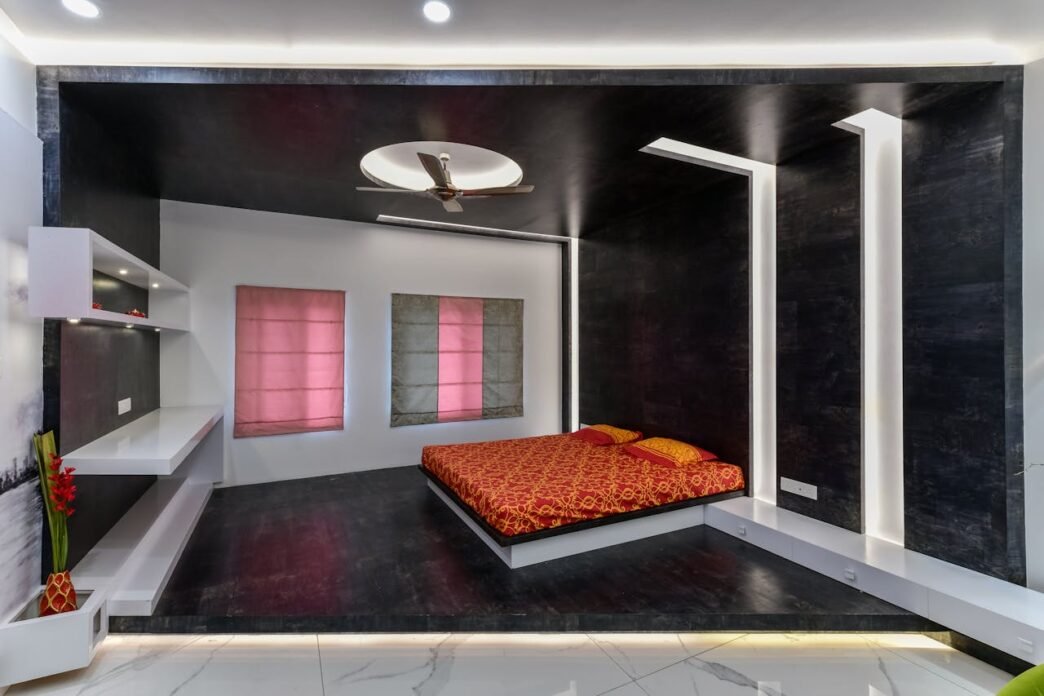
Use images of “warm lighting at night,” “dim bedroom lights,” or “person adjusting smart lighting.” - For the “Products That Can Help” section:
Use images of the Blue Light Blocking Glasses, Smart LED Lights, Sleep-Friendly Light Bulbs, and Light Therapy Lamps in action. - For the “Final Thoughts” section:
Look for images of peaceful sleep environments, relaxing bedroom settings, or a person enjoying a restful night’s sleep.