
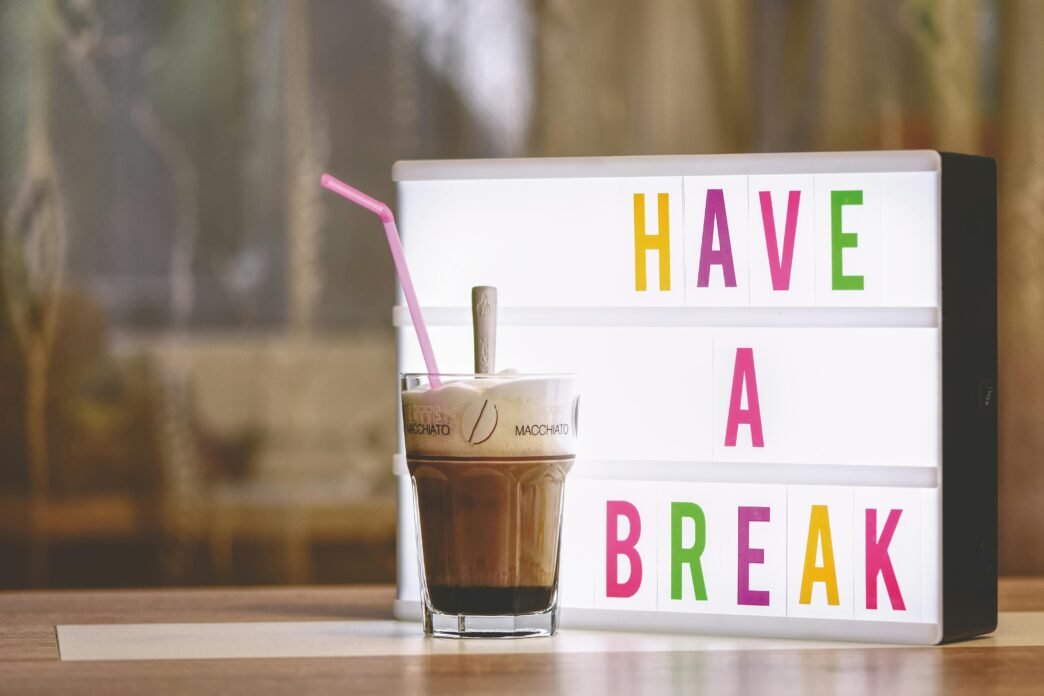
In today’s fast-paced world, where work, social media, and constant notifications dominate our lives, mental fatigue is an all-too-common issue. Long hours of focused work or screen time can quickly lead to burnout, stress, and a decrease in productivity. However, a simple yet effective solution is gaining attention: microbreaks.
Microbreaks are short, deliberate pauses taken throughout the day, typically lasting anywhere from 30 seconds to 5 minutes. They are becoming a powerful tool for improving mental health, boosting productivity, and preventing burnout. Let’s dive into the science behind why these tiny breaks can make a big difference in our well-being.
1. What Are Microbreaks?
Microbreaks are brief moments of rest or relaxation that allow the mind to recover from the demands of work or intense focus. Unlike longer breaks, such as lunch or after-work downtime, microbreaks are often spontaneous and designed to be quick, easy, and simple to implement. Examples include:
- Stretching your legs after sitting for a while
- Taking a few deep breaths
- Walking around the office or home for a minute
- Doing a quick mindfulness exercise
- Simply stepping away from your desk for a short walk
While they seem small, these breaks can have a profound impact on mental clarity and stress reduction.
2. Why Do Microbreaks Work?
Research shows that when we focus intensely for prolonged periods, our brains begin to fatigue. Mental fatigue can decrease cognitive function, cause irritability, and hinder creativity. Microbreaks help to interrupt this cycle by giving the brain a chance to recharge, improving mood and overall cognitive performance.
Here’s why they work:
- Prevents Cognitive Overload: Our brains can only process a limited amount of information at once. After a while, cognitive overload sets in. A short break allows the brain to process and reset, leading to better focus when you return to the task.
- Reduces Stress and Cortisol Levels: Taking brief breaks throughout the day has been shown to lower cortisol, the stress hormone. Even short periods of relaxation activate the body’s parasympathetic nervous system, which helps reduce stress.
- Enhances Creativity and Problem-Solving: Studies have found that short breaks can boost creativity by giving the brain time to process information subconsciously. Often, solutions to problems appear after stepping away from them for a moment.
3. The Ideal Microbreak: What Should You Do?
To make the most of a microbreak, you need to engage in activities that genuinely refresh and relax your mind. Here are some ideas:
- Deep Breathing: Deep breathing exercises can quickly reduce stress by activating the body’s relaxation response. Try inhaling for 4 seconds, holding for 4 seconds, and exhaling for 4 seconds.
- Stretching or Light Movement: Moving your body, even if it’s just for a minute, increases blood flow, which reduces stiffness and revitalizes both your body and mind.
- Mindfulness or Meditation: Apps like Headspace or Calm offer quick meditation exercises that can help center your mind and reset your mental state in under five minutes.
- Step Outside: If possible, step outside for a quick walk in nature or even just for fresh air. Exposure to sunlight and natural environments has been shown to reduce stress and enhance mental clarity.
4. How to Incorporate Microbreaks into Your Day
Incorporating microbreaks into your daily routine might be easier than you think. Here are some tips for making them a regular part of your schedule:
- Use a Timer or Reminder: Set a timer every 60 to 90 minutes to remind yourself to take a break. Many people forget to take breaks during busy periods, so reminders can help.
- Build Breaks into Meetings: If you have back-to-back meetings, make sure to schedule short breaks between them. A few minutes of stretching or walking will help you refocus for the next session.
- Limit Screen Time: After long periods of screen time, a quick break from screens can reduce digital eye strain and give your brain a rest. Consider turning off notifications during these breaks to create a sense of mental calm.
- Create a Break-Friendly Environment: Make your workspace conducive to breaks by including areas where you can stretch, walk, or even meditate. If you’re at home, try creating a designated space for relaxation.
5. Microbreaks in the Workplace
Many companies are now recognizing the benefits of microbreaks and encouraging employees to take short, frequent pauses throughout the day. Research shows that workplaces that promote regular breaks have employees with better mental health, improved mood, and higher productivity.
In fact, companies with break-friendly cultures see reductions in absenteeism and burnout rates. Some organizations are even providing access to meditation rooms, stretching sessions, or “relaxation pods” to help employees refresh and recharge during the workday.
6. The Power of a 5-Minute Pause
While a full lunch break might last 30 minutes to an hour, taking a five-minute pause every hour or so can be just as beneficial. In fact, these short breaks can have a compounding effect, making you more efficient and focused throughout the day.
By incorporating microbreaks into your daily routine, you can keep stress levels in check, maintain your mental well-being, and enhance your productivity — all while ensuring that your mind stays sharp and energized.
Final Thoughts
Microbreaks may seem like a small adjustment, but they can make a big difference in both your mental health and work performance. By taking brief, intentional pauses throughout the day, you can reset your mind, reduce stress, and keep your productivity high. Try incorporating microbreaks into your routine and experience the power of taking a short break for long-term benefits.