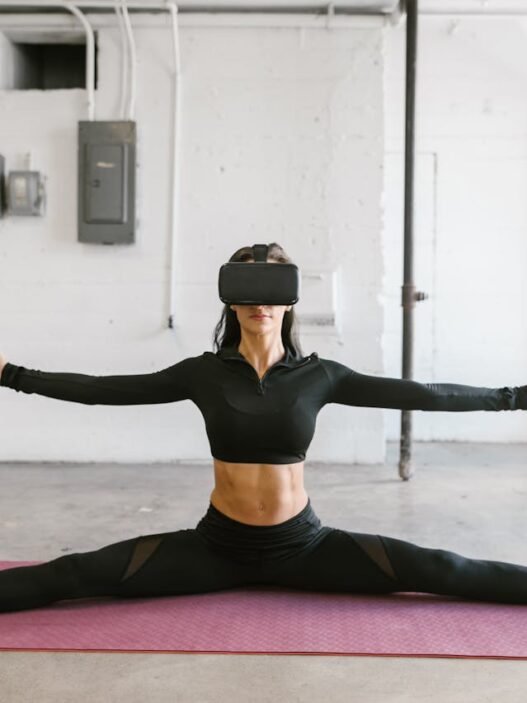

In a world where optimization has become the new aspiration, biohacking has made its way from the labs of Silicon Valley into the living rooms of everyday people. What was once considered a fringe movement is now a fast-growing lifestyle trend—especially in 2025, where health, performance, and longevity are at the forefront of the modern consciousness. Today’s biohackers aren’t just scientists or tech enthusiasts—they’re remote workers, busy parents, fitness lovers, and even retirees, all seeking to live smarter, stronger, and longer.
What Is Biohacking, Really?
At its core, biohacking refers to the practice of using science, technology, and self-experimentation to enhance the human body and mind. It’s about taking control of your biology with the goal of improving performance—mentally, physically, or emotionally. Some biohacks are simple and natural, like intermittent fasting or cold exposure. Others are more high-tech, involving wearable devices, nootropics (brain-enhancing supplements), and even genetic testing.
In 2025, the accessibility of biohacking tools has dramatically increased. You no longer need a background in science or access to elite labs to start. With a smartphone, a wearable device, and a curious mindset, anyone can become a modern biohacker from the comfort of home.
Popular At-Home Biohacks in 2025
1. Wearable Tech That Goes Beyond Fitness
Fitness trackers have evolved into full-body health monitors. Today’s wearables not only count steps but track blood glucose levels, heart rate variability (HRV), sleep stages, cortisol levels, and even early signs of illness through AI-powered pattern recognition. Brands like Oura, WHOOP, and new startups like Biovibe offer real-time biometrics that guide users on when to rest, eat, or push harder.
These insights empower people to tailor their routines with surgical precision—whether that means skipping a workout due to low HRV or increasing magnesium intake based on sleep quality data.
2. Smart Supplements and Nootropic Stacks
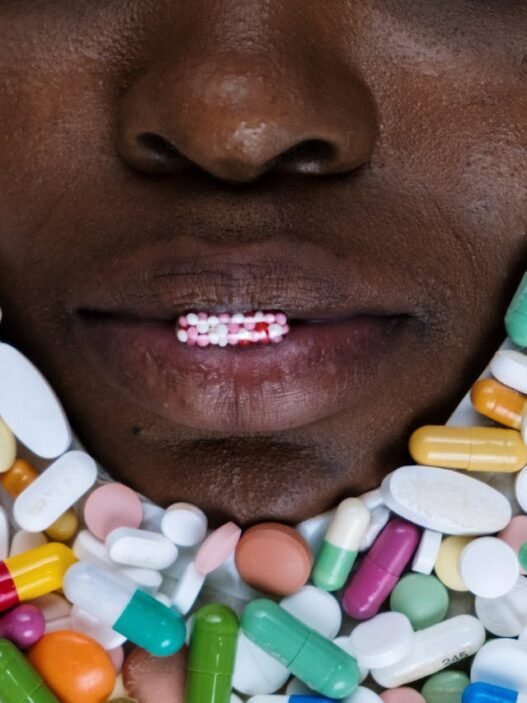
Nootropics, or “smart drugs,” have seen a renaissance in 2025. But instead of generic stimulants, people are now using personalized supplement stacks based on DNA, microbiome testing, and cognitive goals. Need sharper focus for meetings? There’s a stack for that. Want to unwind without alcohol? Try adaptogenic blends with lion’s mane, ashwagandha, and magnesium threonate.
AI-based apps even recommend daily changes to your stack based on mood, sleep, and productivity metrics. It’s not just about taking a pill—it’s about building a lifestyle that supports brain and body synergy.
3. Red Light Therapy and Infrared Saunas at Home
Once exclusive to high-end spas or clinics, red light therapy panels and compact infrared saunas are now common home accessories. Used to reduce inflammation, improve skin, enhance muscle recovery, and support circadian rhythm, these tools are praised for their rejuvenating effects.
Once exclusive to high-end spas or clinics, red light therapy panels and compact infrared saunas are now common home accessories. Used to reduce inflammation, improve skin, enhance muscle recovery, and support circadian rhythm, these tools are praised for their rejuvenating effects.
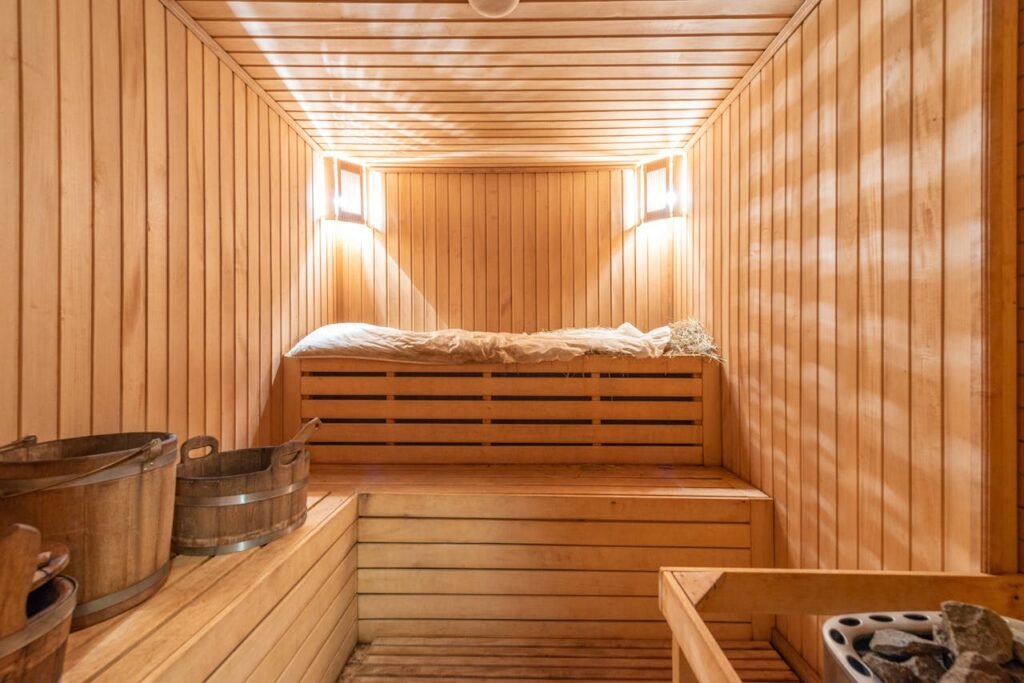
Affordable and easy to use, many people now start or end their day basking in therapeutic red light—often combining it with meditation or breathwork for a dual benefit.
4. Cold Exposure and Ice Baths
Wim Hof brought cold therapy into the mainstream, but in 2025 it’s more refined. Home ice bath systems with temperature control and smartphone integration let users adjust their cold exposure to maximize benefits without suffering through discomfort.
Many biohackers swear by their daily 3-minute plunge to boost energy, reduce stress, and strengthen immune response. Combined with breathwork and mental focus, cold therapy has become both a physical and psychological upgrade ritual.
DIY Lab Testing and Health Optimization
The democratization of diagnostics is another biohacking revolution. Home kits now allow users to test hormone levels, gut microbiome diversity, nutritional deficiencies, and more—without a doctor’s visit. Services like InsideTracker and Viome deliver personalized health reports with actionable insights, including diet recommendations and exercise routines tailored to your unique biology.
This shift empowers individuals to take a proactive role in their health, reducing reliance on the traditional healthcare model and moving towards a preventative, performance-focused approach.
Mindset as the Ultimate Hack
Despite all the gadgets and science, the most powerful biohack remains free: your mindset. In 2025, mental training tools—like guided visualization, neurofeedback headbands, and mindfulness apps—are helping people upgrade not just their bodies, but their mental resilience.
Whether through daily journaling, meditation sessions supported by binaural beats, or AI-coaching apps that track mood patterns, modern biohackers understand that performance starts in the mind.
The Future of Biohacking: Where Are We Headed?
As the line between wellness and technology continues to blur, the future of biohacking looks increasingly personalized and predictive. AI will soon be able to alert us to health issues before symptoms arise, while nanotech and wearable biosensors may offer real-time adjustments to medication or supplement delivery.
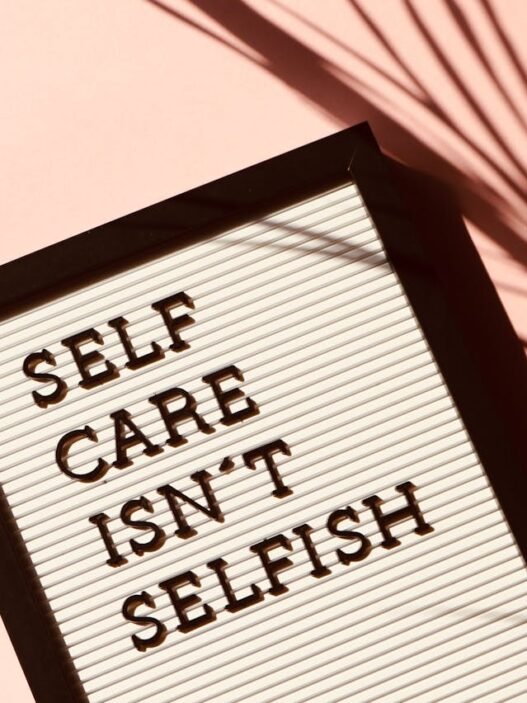
But beyond the tech, biohacking is fostering a larger cultural shift: a move from reactive healthcare to proactive self-care. It’s about becoming the CEO of your own body—experimenting, optimizing, and evolving.
Final Thoughts
Biohacking in 2025 is not about perfection or becoming superhuman. It’s about awareness, intention, and experimentation. Whether you’re tracking your sleep with a ring, meditating in red light, or microdosing for focus, biohacking empowers you to live more deliberately.
In a time where stress, distraction, and burnout are rampant, this movement offers a refreshing promise: to live not just longer, but better.